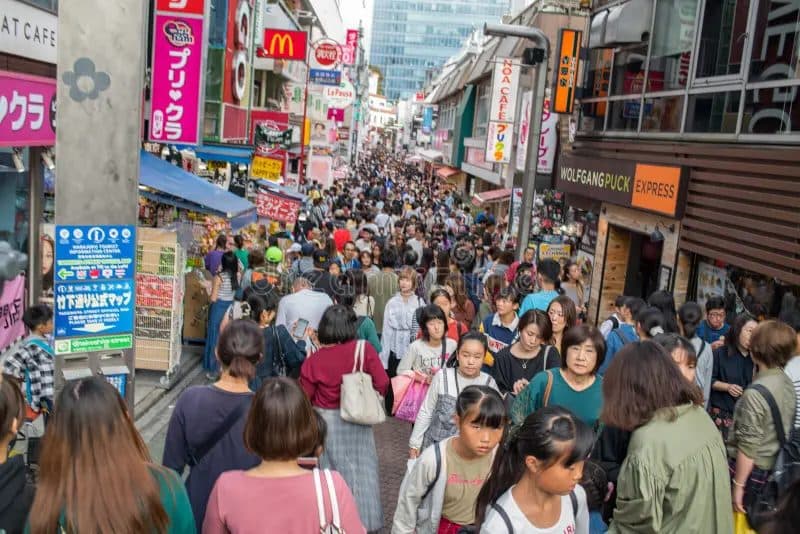
Japanese households pulled back on spending in July, recording their sharpest annual decline in two and a half years.
Government data reported on September 4 showed household spending falling for an eighth consecutive month, according to Reuters. The figures provide a snapshot of how economic pressures are affecting everyday consumer behaviour in one of the world's largest economies.
Household spending is closely watched because it provides insight into how confident consumers are and how willing they are to spend money on goods and services.
When spending weakens for an extended period, businesses can face additional pressure because consumers are buying less.
What the Numbers Tell Us
The July figures are particularly notable because the decline was the fastest in 2½ years.
An eight-month streak of falling household spending suggests that the weakness is not simply the result of a single poor month.
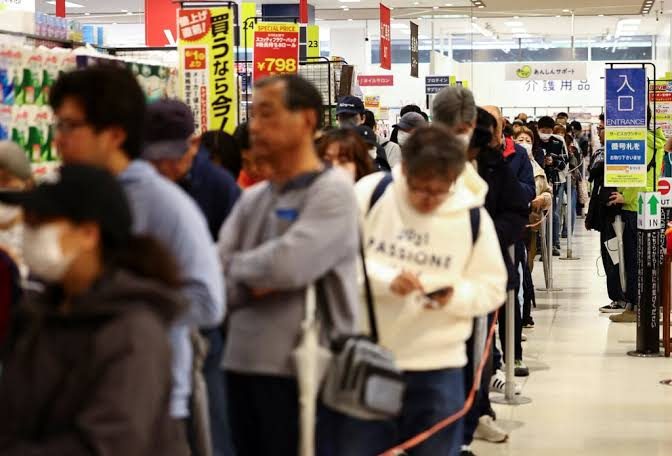
For ordinary consumers, economic data can translate into decisions that feel much more familiar: delaying purchases, reducing discretionary spending or prioritising necessities.
Those choices can then affect businesses, employment and investment.
Japan has also been dealing with broader economic questions involving inflation, wages and interest rates.
Why Japan's Consumers Matter
Consumer spending is a major component of economic activity. If households become more cautious, companies can find it harder to raise sales even when other parts of the economy are performing better.
The latest figures therefore matter beyond Japan's retail sector.
They can also influence how policymakers think about the health of the economy and whether monetary policy needs to change.
Japan's economic situation is particularly interesting because the country has spent years dealing with very low inflation and weak domestic demand. The return of stronger price pressures has changed the environment for households and policymakers alike.
The July spending data do not automatically mean Japan is heading toward a recession. One indicator cannot provide that conclusion.
But the prolonged weakness in household spending is a signal worth watching.
If consumers remain cautious, businesses may have to adapt to a market where households are increasingly selective about where their money goes.
For people outside Japan, the story offers a reminder that big economic changes eventually show up in ordinary routines — from grocery shopping to travel and entertainment.
Japan's next economic indicators will help determine whether July represents a temporary setback or another sign of prolonged weakness in consumer demand.