
Disney and the U.S. Federal Communications Commission are facing off in court over ABC television station licenses, creating another high-profile dispute between one of Hollywood's biggest companies and federal regulators.
The FCC asked a federal judge on Thursday to dismiss Disney's lawsuit, according to Reuters. Disney's legal action seeks to block the agency from taking steps involving licenses held by ABC television stations.
The dispute matters because broadcast licenses are not simply ordinary business assets. Television stations that use public airwaves operate under federal rules, giving regulators significant authority over how those licenses are handled.
Why ABC Licenses Matter
ABC is one of the major U.S. broadcast television networks, and Disney has extensive interests across television, film and streaming.
That makes regulatory decisions involving ABC potentially significant beyond a single court case. They can affect how Disney operates its broadcast business and how other major media companies assess their own relationships with regulators.
The FCC's request for dismissal means the agency is arguing that Disney's lawsuit should not proceed in its current form. The court will ultimately determine whether the company's challenge can move forward.
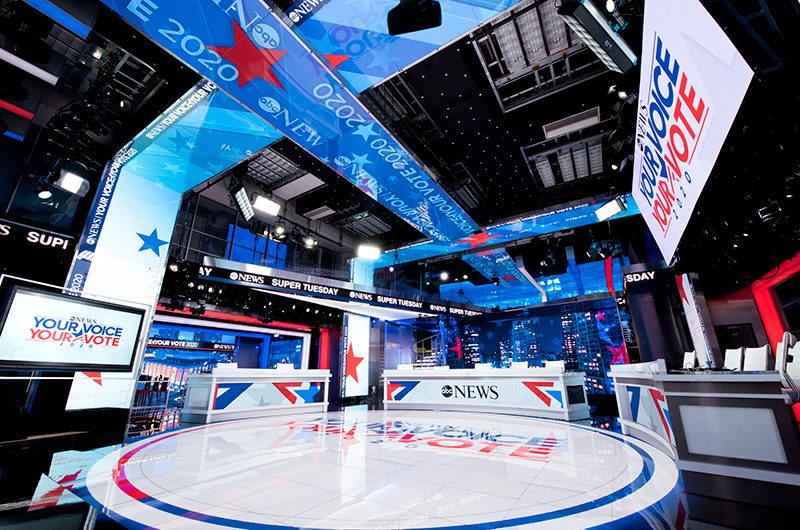
The dispute also comes at a time when the traditional television business is undergoing major changes.
Streaming services have transformed how audiences consume entertainment, while traditional broadcasters continue to rely on television stations and advertising. Companies such as Disney therefore have to balance their streaming ambitions with the regulatory obligations attached to their broadcast operations.
A Bigger Fight Over Media
The case is worth watching because regulatory battles involving major broadcasters can establish precedents that affect the wider media industry.
Disney is not simply fighting over a television program or a commercial agreement. The dispute involves the regulatory framework under which broadcast stations operate.
That puts the case at the intersection of entertainment, corporate strategy and government oversight.
For viewers, the legal arguments may seem distant from everyday television. But decisions involving major networks can eventually influence what companies own, how stations operate and how the broadcast industry develops.
For now, the immediate development is the FCC's request that the court reject Disney's lawsuit. Further court action will determine where the dispute goes next.