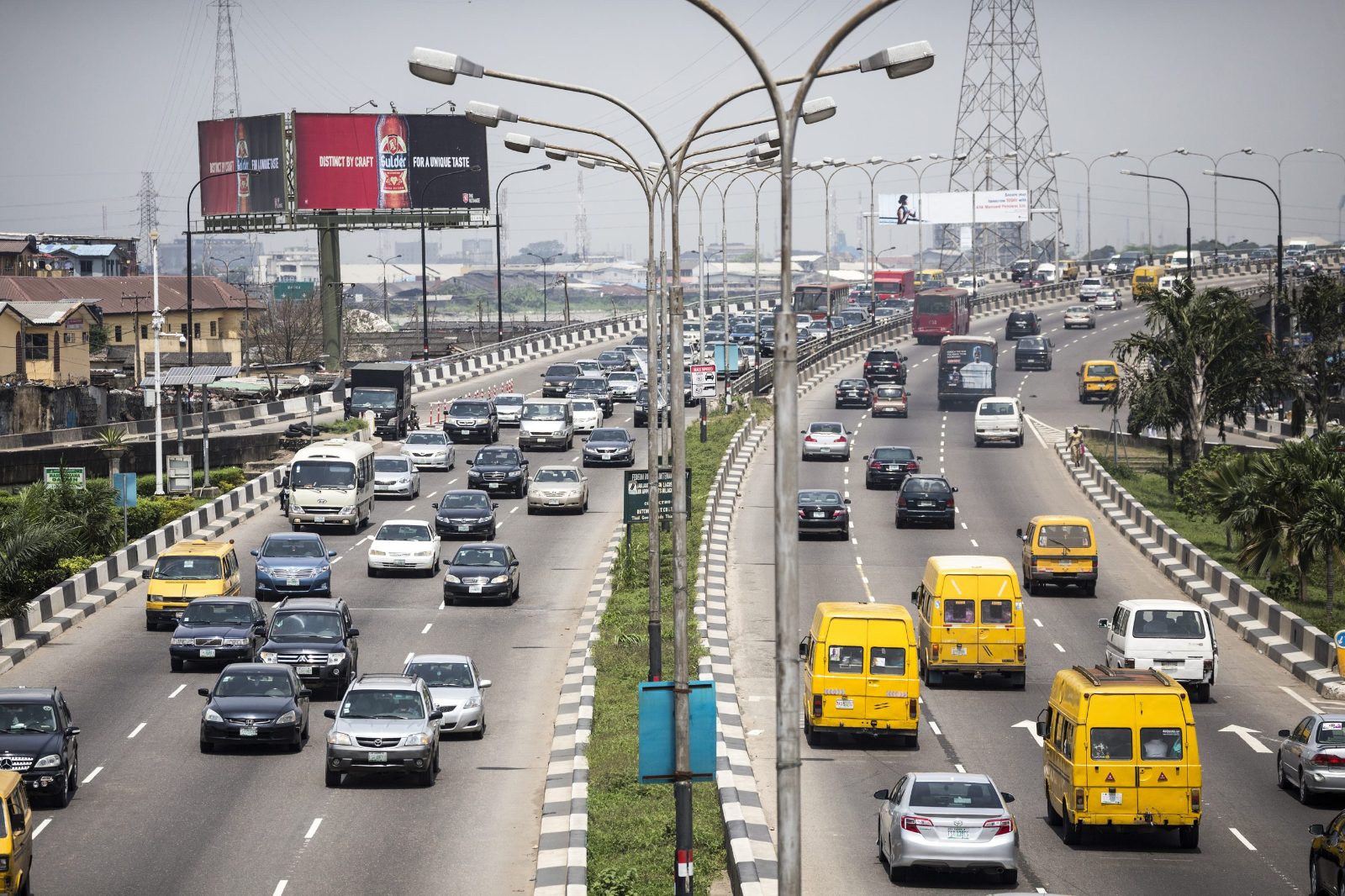
Uber has ended its operations in Nigeria after 12 years, bringing one of the company's longest-running African markets to a close.
The ride-hailing company ceased operations in the country on September 2, according to Reuters. Its departure marks a significant change in Nigeria's transportation and technology landscape, where ride-hailing apps became an important alternative to traditional taxis.
Uber entered Nigeria in 2014, becoming part of the growth of app-based transportation in major cities.
Its platform connected passengers with drivers through smartphones and helped popularize cashless and app-based ride booking among urban consumers.
Why the Exit Matters
Uber's departure is significant because Nigeria is one of Africa's largest economies and one of the continent's most important technology markets.
The ride-hailing industry has also become increasingly competitive, with local and international companies fighting for passengers and drivers.
For customers, the most immediate question is what happens next.
Existing users who relied on Uber now have to consider alternatives. Drivers who depended on the platform for income also face a change in their working arrangements.
The impact will not necessarily be the same for everyone. Riders have different preferences for price, availability, safety and convenience, while drivers consider earnings and operating costs.
A Changing Ride-Hailing Industry
Uber's Nigerian exit also comes at a time when the broader company is changing.
Reuters reported this week that Uber plans to cut about 3,300 jobs globally, representing around 10% of its workforce. The company is seeking to navigate changes in the ride-hailing business, including the growing influence of robotaxis.
That makes the Nigerian departure part of a much larger story about where transportation technology is heading.
Ride-hailing companies are no longer competing only on whether they can connect drivers and passengers through an app. They are also dealing with automation, operating costs, regulation and changing consumer expectations.
For Nigeria, the end of Uber's 12-year run is therefore more than the disappearance of an app from the market.
It represents the end of one chapter in the country's digital transportation boom — and creates another opportunity for competitors to fight for the passengers and drivers Uber leaves behind.
The Nigerian mobility market will continue, but the competitive landscape has now changed considerably.